
Almarai Grew Revenue 11 Percent. Net Profit Fell 1.7 Percent.
Poultry drove Almarai's growth this quarter, by the company's own account. Net profit fell to SAR 636 million from SAR 647 million a year earlier, and most of that decline traces back to a one-off accounting item, not the cost of the capacity Almarai is building.
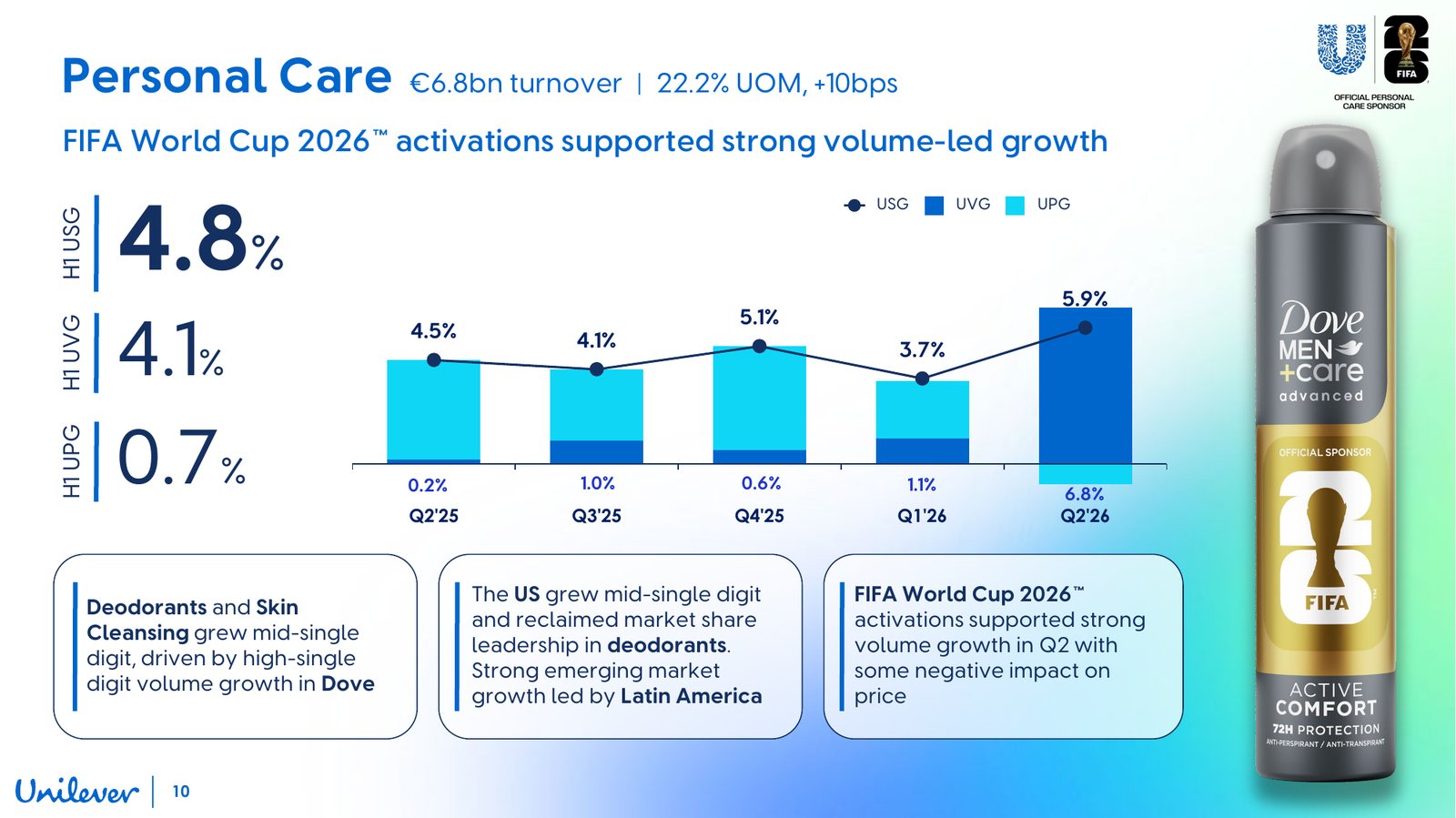
Unilever's Personal Care Volume Grew 6.8 Percent. Price Growth Went Negative to Get There.
Unilever's Personal Care business grew total sales 5.9 percent in the second quarter, its fastest pace in five quarters. Volume alone grew 6.8 percent, a full point ahead, on the back of the company's FIFA World Cup 2026 campaign. Guidance for the second half doesn't extend that campaign. It says price leads growth from here.
Burgerizzr’s Coffee Bet Has a Year of Numbers Behind It Now
Burgerizzr closed its acquisition of Shovel Coffee Roaster in October 2025, betting that pairing a lunch-and-dinner burger chain with a breakfast coffee brand would grow both. Nine months on, branch count is up 27 percent and net profit is up 202 percent. The filing that reports those numbers does not actually measure the daypart mechanic the company said would drive them.
Saudi Arabia Has Raised Food Tariffs Three Times Since 2020
ZATCA lifted customs duty on 51 agricultural and food tariff lines to between 5 and 15 percent, effective 26 June 2026. It is the third broad food-tariff increase since 2020, each justified the same way. None of the three decrees has named who benefits.

SFDA Blocked 301 Tons of Food From Entering Saudi Arabia Last Quarter.
The Saudi Food and Drug Authority intercepted more than 301 tons of microbially contaminated food in Q2 2026, after 17,096 inspection visits flagged 1,960 non-compliant establishments.
Spinneys Is Paying SAR 18 Million for Control It Already Had
Spinneys will raise its stake in its Saudi unit from 50 to 70 percent for SAR 18 million, pending competition-authority approval. The company has run and fully consolidated the business since 2022, at half the ownership.

The line between snacking and a meal has moved
The 2026 Mondelez State of Snacking report, produced with Mintel and Black Swan Data, documents a structural change. Snacking is doing the work that meals used to do. The frameworks built around three meal occasions have not kept pace.

AI Following Tobacco’s Footsteps, Without the Paper Trail and Accountability Mechanism
Tobacco’s accountability came from documents the companies could not control. The equivalent evidence for AI is owned by the companies building it. That is the structural difference that makes the problem harder.

The Blind Spot in Saudi Arabia’s Factory Transformation
The infrastructure case for 4,000 AI-enabled facilities is being built. The human system that determines whether the investment pays off has a documented failure mode.
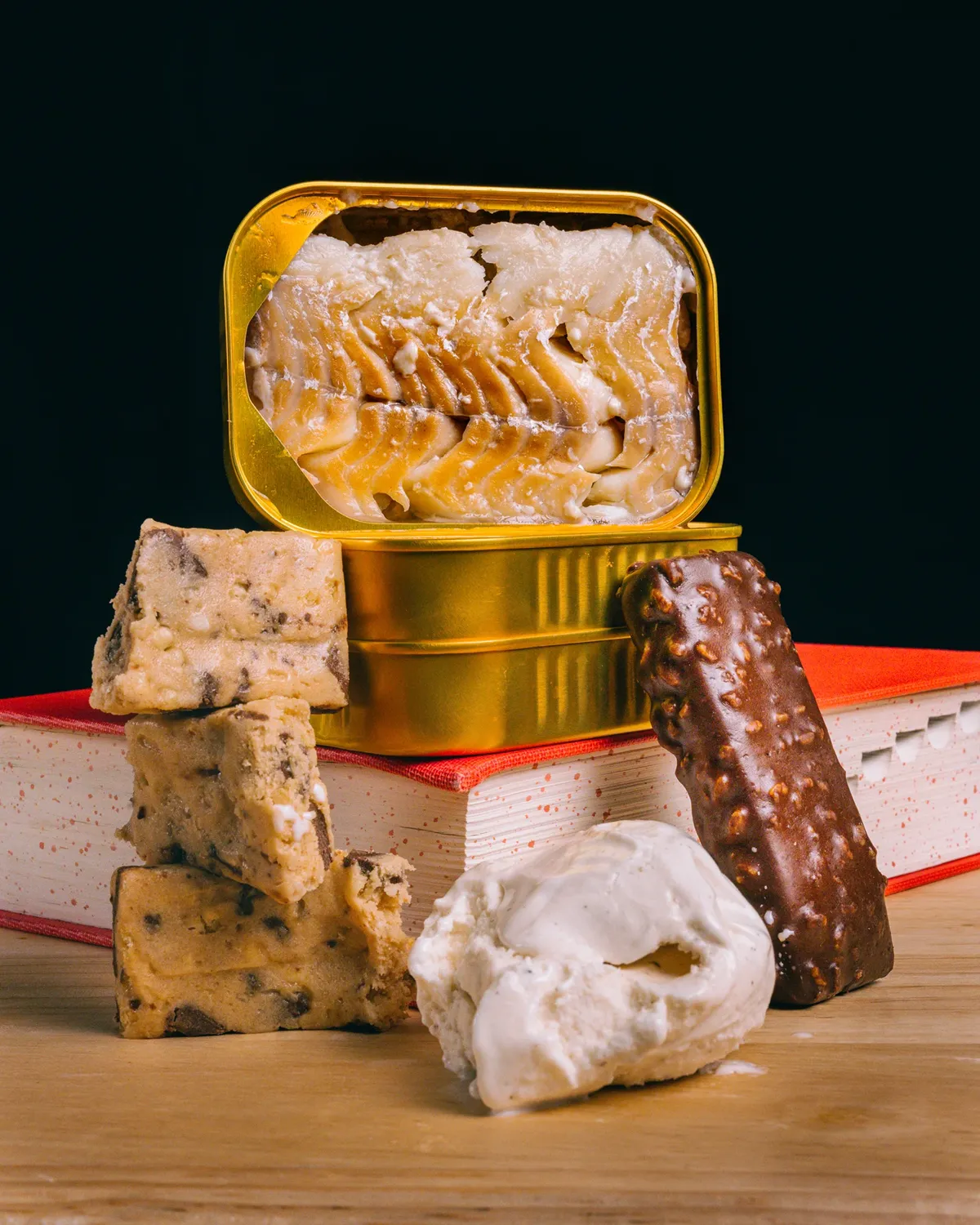
David Protein’s Entire First Ice Cream Run Sold Out in 28 Minutes
A $15 protein ice cream pint sold out in 28 minutes. The ingredient behind it already turned one diet-dessert failure into a $2 billion exit — and Saudi Arabia’s shelf for it is still empty.
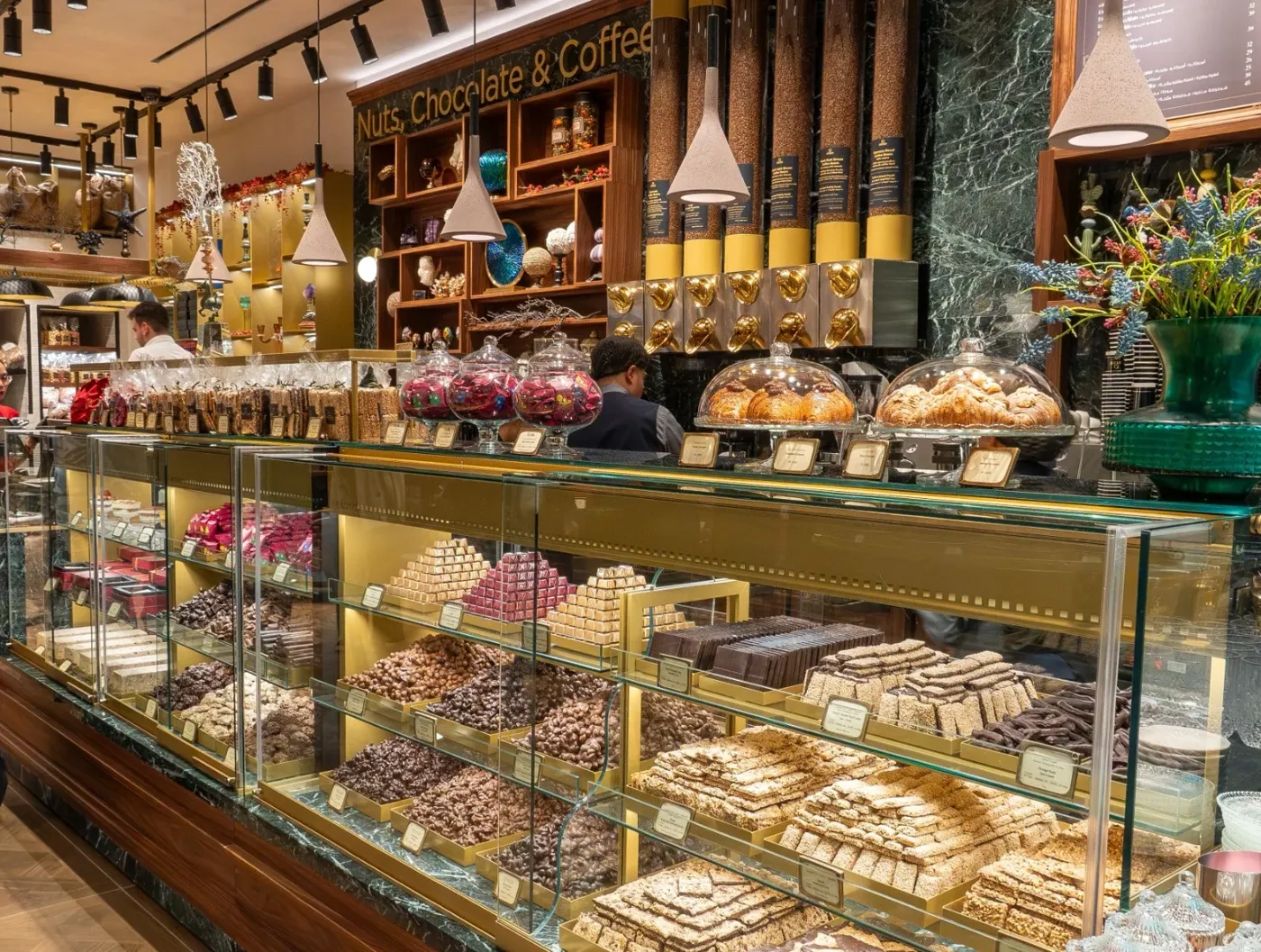
Americana, the region’s largest restaurant operator, opens its first luxury retail store in Qatar.
Americana’s first Carpo store opened in Doha during its strongest quarter on record. A nut-and-chocolate boutique is now part of the same portfolio as KFC and Pizza Hut.

Seven of Saudi Arabia’s ten most influential brands aren’t Saudi.
Ipsos’ 2026 ranking puts WhatsApp, Google and ChatGPT above Almarai. The local list looks nothing like the global one — and TikTok breaks the pattern that explains the rest.
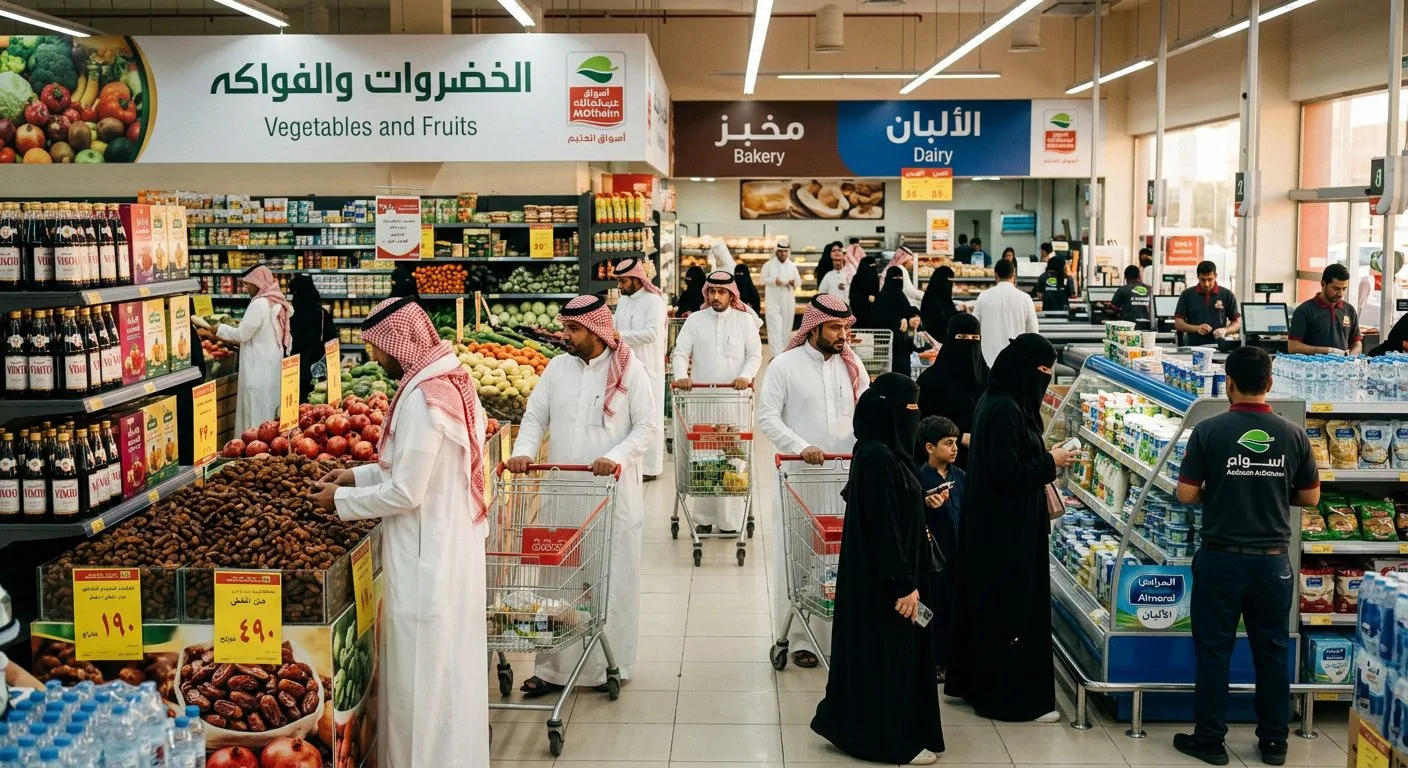
LuLu is building stores for a shopping habit Saudi Arabia hasn’t formed yet.
Four new stores at metro stations and petrol forecourts test whether Saudi shoppers will buy groceries on their daily commute. Global data shows this format is harder than it looks.
Amazon’s grocery play starts after Prime Day, not during it.
For the first time, Amazon’s annual sale event leads with fresh groceries and household FMCG rather than electronics. What happens after the promotional window closes matters more.
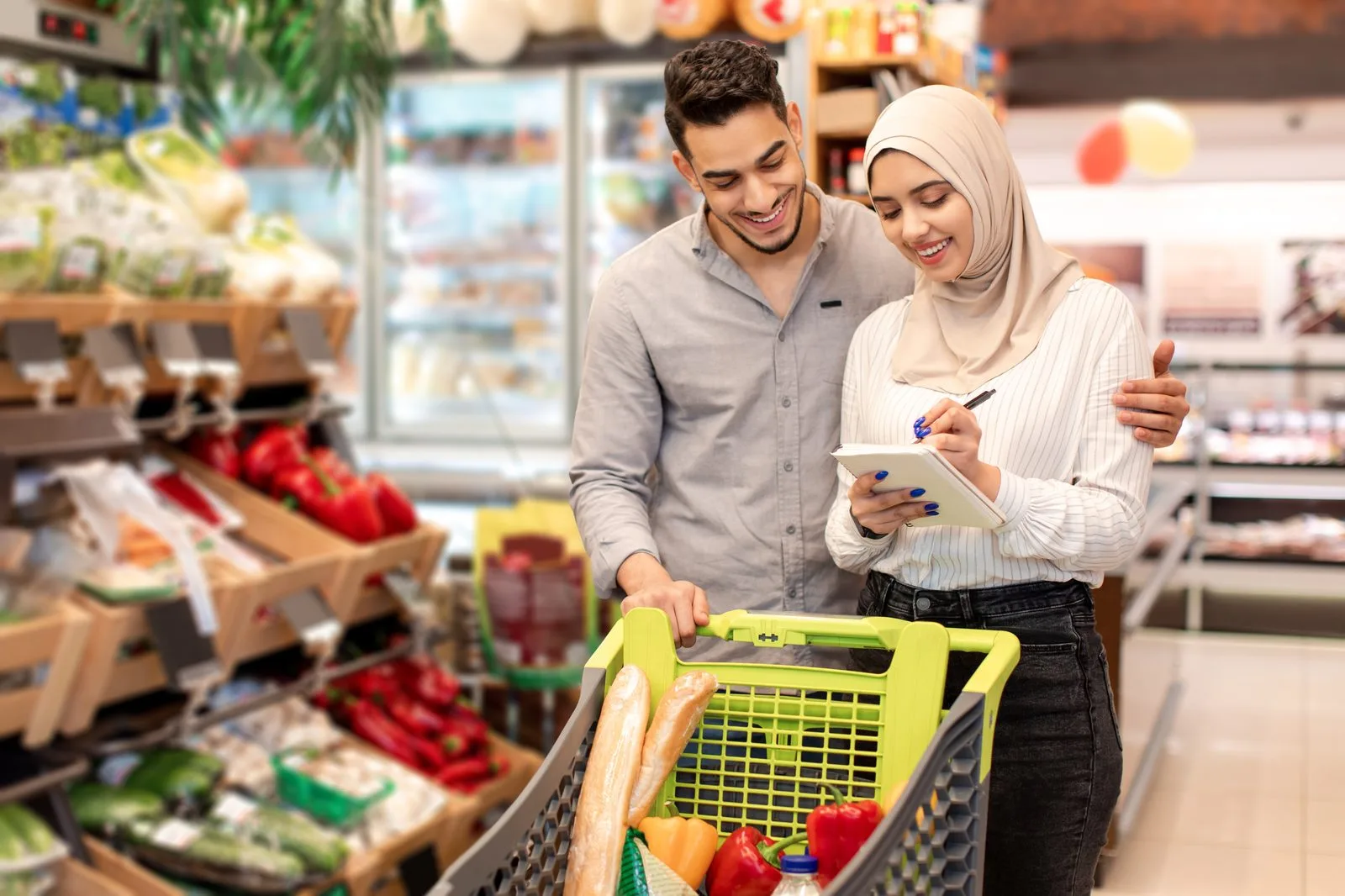
Your best-selling pack is now your weakest.
Food prices in Saudi Arabia are barely moving. So why are big brands losing margin in the cities? Because shoppers now buy in two ways — and the old middle-sized pack fits neither.

The pill that changes what Saudi Arabia eats is already in the pharmacy.
Eli Lilly’s oral weight-management treatment removes the barriers that kept injectable GLP-1 drugs niche. In Saudi Arabia, where adult obesity exceeds 40%, the commercial implications are significant.

L’Oreal just made the distributor model look obsolete.
By building a direct corporate headquarters in Saudi Arabia and doubling its local workforce by end of 2026, L’Oreal is moving past the third-party distributor model.

Your loyalty app sees one aisle. SHARE sees the whole weekend.
Majid Al Futtaim’s new rewards system connects 65 brands, a Buy Now Pay Later mechanism, and grocery data into a single consumer profile. Saudi rivals who treat this as a points programme are misreading it.
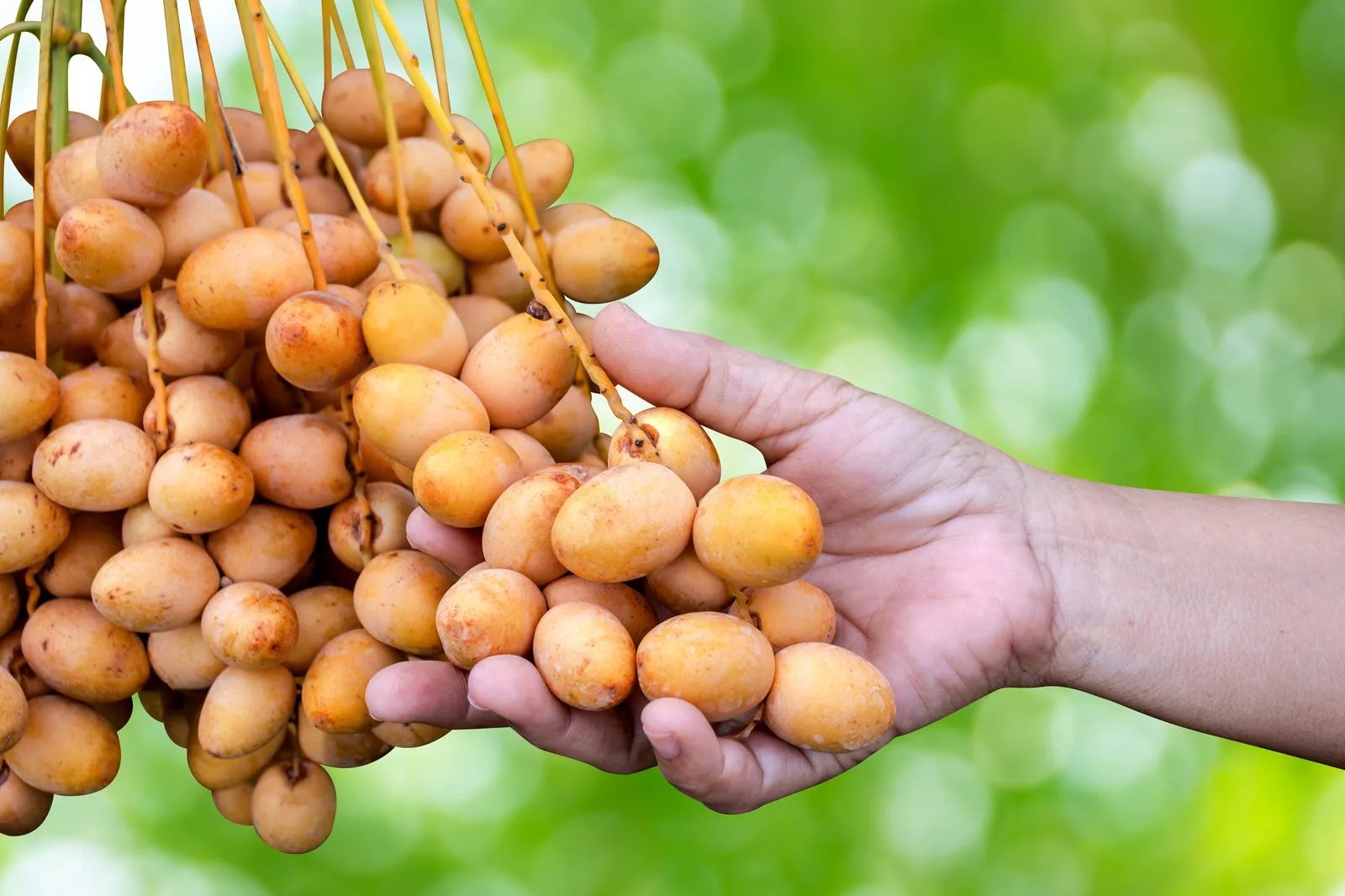
Saudi Arabia’s date harvest just became a competitive weapon.
Saudi Arabia produces 1.9 million metric tonnes of dates a year. Most stays in the domestic market as fresh fruit. A PIF subsidiary is now building an industrial processing model around what gets left behind.
Your ingredient supplier is in the wrong country for the new tax rules.
A SAR 87.7 million factory in western Saudi Arabia will produce 42,000 metric tonnes of food ingredients per year. The investment is as much about supply chain resilience as market share.
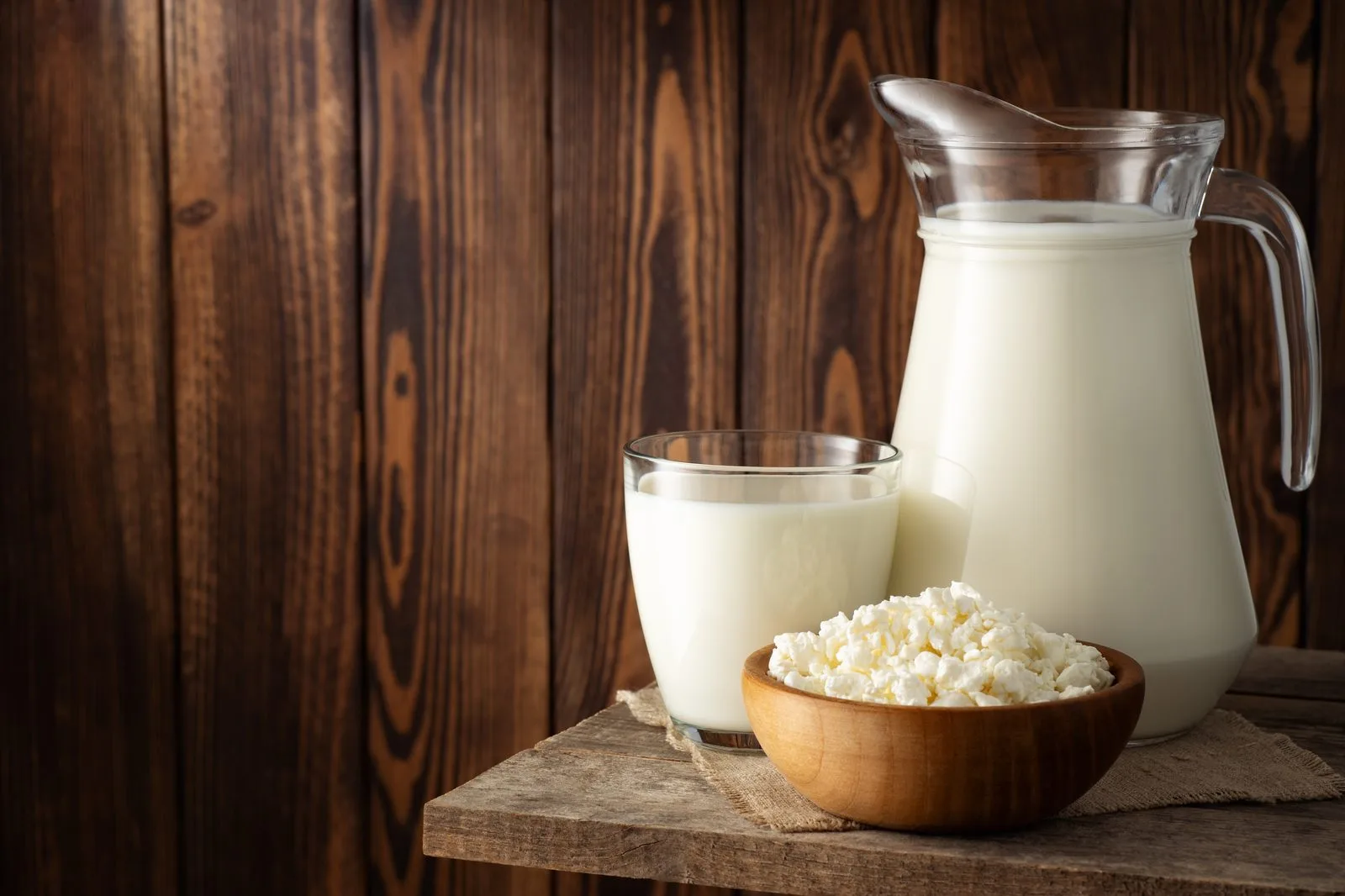
Nadec found the one dairy category Almarai’s network can’t protect.
Almarai’s cold-chain network makes standard white milk an almost impossible market to contest. Nadec’s high-protein milk line targets a narrower category where brand credibility matters more than distribution reach.

Your biggest data blind spot isn’t the consumer. It’s the wholesaler.
A $30 million joint venture is targeting the least visible layer of Saudi Arabia’s economy: its $68 billion wholesale FMCG market. The real story is the specific data blind spot it is designed to fix.
The store that built your business is now your most expensive asset to run.
New GASTAT data shows Saudi retail revenue growing — but staff costs growing quicker. The gap is squeezing store-heavy retailers, and it points spending in one direction: away from people.

The viral moment lasts 48 hours. Your supply chain takes 90 days.
Saudi beauty now sells inside the app. The brands still making their products in Italy are finding out the hard way — the gap between a viral Thursday and a restocked shelf is where margin dies.

Quick commerce’s unit economics only work in the cities it’s already saturated.
Fast delivery apps are spreading across Saudi Arabia. But what works in dense Riyadh falls apart in spread-out cities like Hail and Buraidah. The fix isn’t bigger coverage. It’s a different model entirely.

0.8% of brands grew. Distribution was the only thing they had in common.
NielsenIQ tracked Saudi FMCG through the most volatile six weeks of trading since COVID. The consumer that emerged was more financially confident than UAE counterparts, more digitally active, and harder to retain in the modern trade channel.